Start with Albuquerque's facade materials and the condition to be improved
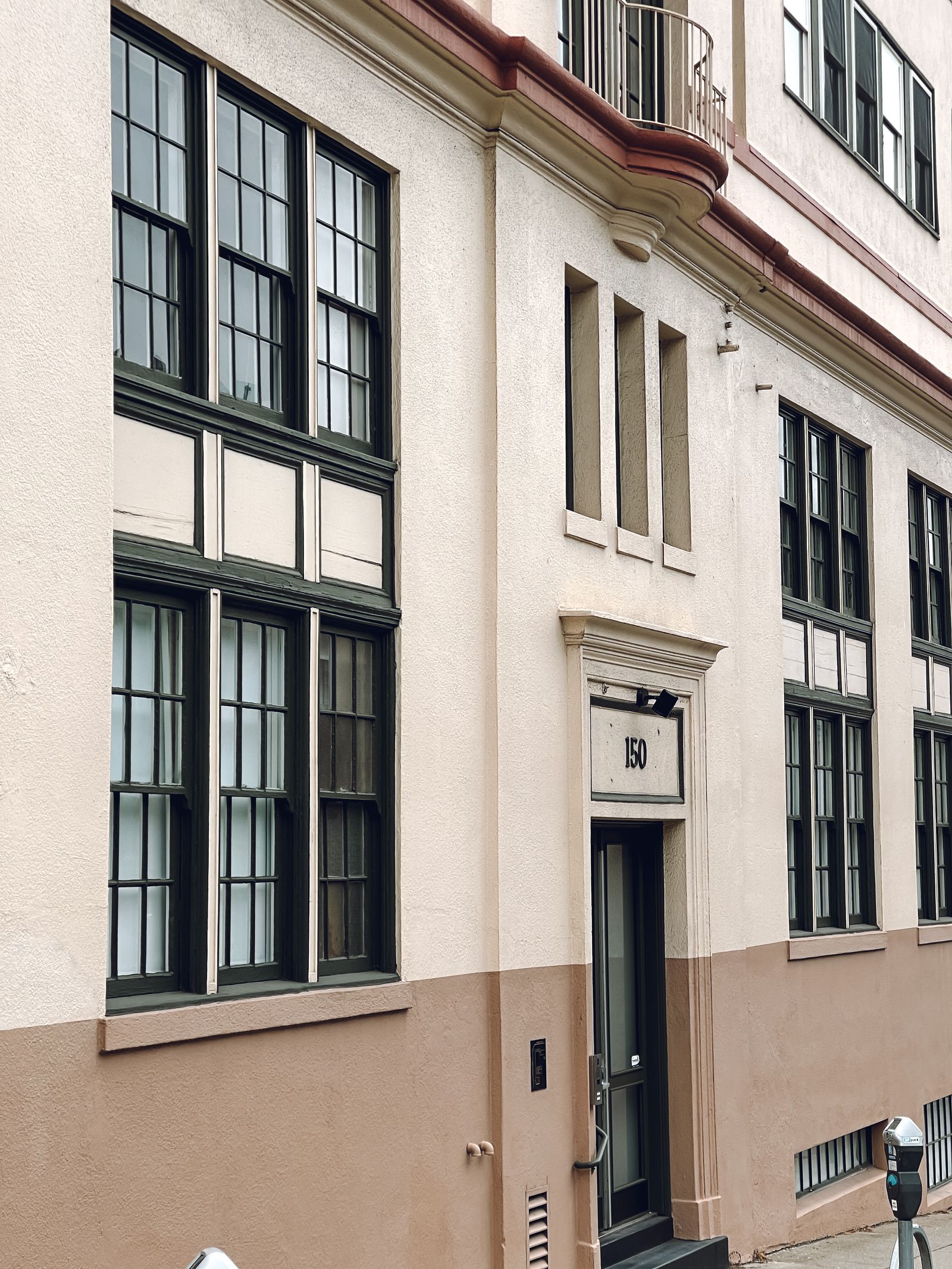
Albuquerque properties often combine stucco, adobe-inspired finishes, painted block, brick, precast concrete, EIFS, metal panels, glass, stone accents, parapets, and repaired areas. High-desert dust can settle into texture and ledges, while irrigation overspray, shaded courtyards, bird activity, pollen, and roof drainage create localized staining. A south or west elevation may show intense UV and chalking; a north-facing wall or protected entrance may retain moisture longer. The proposal should separate ordinary surface soil from oxidation, mineral deposits, failing paint, cracked stucco, loose material, efflorescence, and construction residue because those conditions may need a different service or a repair evaluation.
A soft-washing process can be useful for compatible organic growth and atmospheric film when the chemical choice, dwell, pressure, rinse direction, and protection are controlled. It is not a substitute for stucco repair, mortar work, sealant replacement, roof repair, coating restoration, or an envelope investigation. Test areas are sensible on porous adobe-style finishes, aged coatings, recently repaired walls, and surfaces with unknown maintenance history. A site review should define the appearance target, identify sensitive areas, and explain what cleaning can reasonably change before work begins.
- Map stucco, adobe-style detail, brick, concrete, EIFS, glass, metal, stone, and painted zones.
- Separate dust, organic growth, traffic film, minerals, oxidation, and actual material damage.
- Use a test area when a porous, coated, weathered, or unfamiliar surface may respond unpredictably.
- Define whether the goal is routine maintenance, a guest-facing reset, or specialty restoration.
Build the work plan around local corridors and occupied properties
Downtown, Old Town, Nob Hill, and the University area can place storefronts, historic character, pedestrians, outdoor seating, and narrow approaches close to the cleaning zone. Uptown and the Coronado commercial district bring office, retail, hotel, and medical traffic with active parking and guest entrances. Along Coors Boulevard, Unser Boulevard, and Paseo del Norte, properties may have wider setbacks but more vehicle movement, landscaped medians, and long elevations. The North I-25 corridor, Mesa del Sol, and the airport area can add warehouses, distribution, aviation activity, and loading schedules. A property in Rio Rancho or the Westside may have more staging room while still needing precise protection for sidewalks, landscaping, and neighboring businesses.
Before the quote, identify patient routes, hotel arrivals, tenant doors, accessible paths, restaurant patios, delivery windows, employee shifts, security checkpoints, fire lanes, and emergency access. A healthcare building may need quiet work away from air intakes and a continuously available entrance. A hotel may sequence a courtyard or upper elevation while keeping the porte cochere open. A warehouse may need the facade work coordinated around dock appointments. The field plan should name the work boundary, pause authority, public-route controls, and the condition required before each zone is returned to the property.
For a portfolio, each address still needs its own review. A plan that works at a low-rise retail building near Cottonwood Mall may not transfer to a downtown office, an adobe-style hospitality property, or an industrial wall beside a high-traffic road. The scope should account for water access, hose routing, drains, roof edges, launch or lift space, overhead utilities, cameras, signage, vehicles, and the time when the exterior needs to be presentable.
Manage dust, UV, heat, and monsoon conditions
Albuquerque's high-desert climate affects both the cleaning result and the operating window. Fine dust can return quickly after a windy day, and direct sun can heat stucco, metal trim, glass, sidewalks, and equipment. Warm surfaces can shorten chemical dwell and create uneven drying if a large elevation is treated at once. A careful sequence may use smaller sections, shaded timing, measured rinsing, and a dry inspection before moving on. Worker heat controls and a safe public route matter just as much as the appearance of the wall.
Summer monsoon storms can bring sudden rain, gusty outflow, lightning, and fast-changing water paths. Rain may interrupt dwell, create runoff across a parking area, or leave an otherwise finished facade with new splash marks. Wind can move mist toward entrances, vehicles, neighboring property, roof equipment, and landscaping. The plan should establish weather limits and a rescheduling procedure for wind, lightning, precipitation, visibility, temperature, or traction. A clear morning forecast does not guarantee safe conditions at the elevation being cleaned later in the day.
UV exposure, irrigation overspray, roof runoff, open lots, road film, and bird activity can produce different patterns on different elevations. If a stain repeatedly returns below a downspout or beside a planter, the closeout should flag the likely source. Recurring washing can maintain presentation, but it should not hide a drainage, irrigation, coating, or building-envelope issue that the owner needs to correct.
Use drone assistance selectively and plan the backup access method
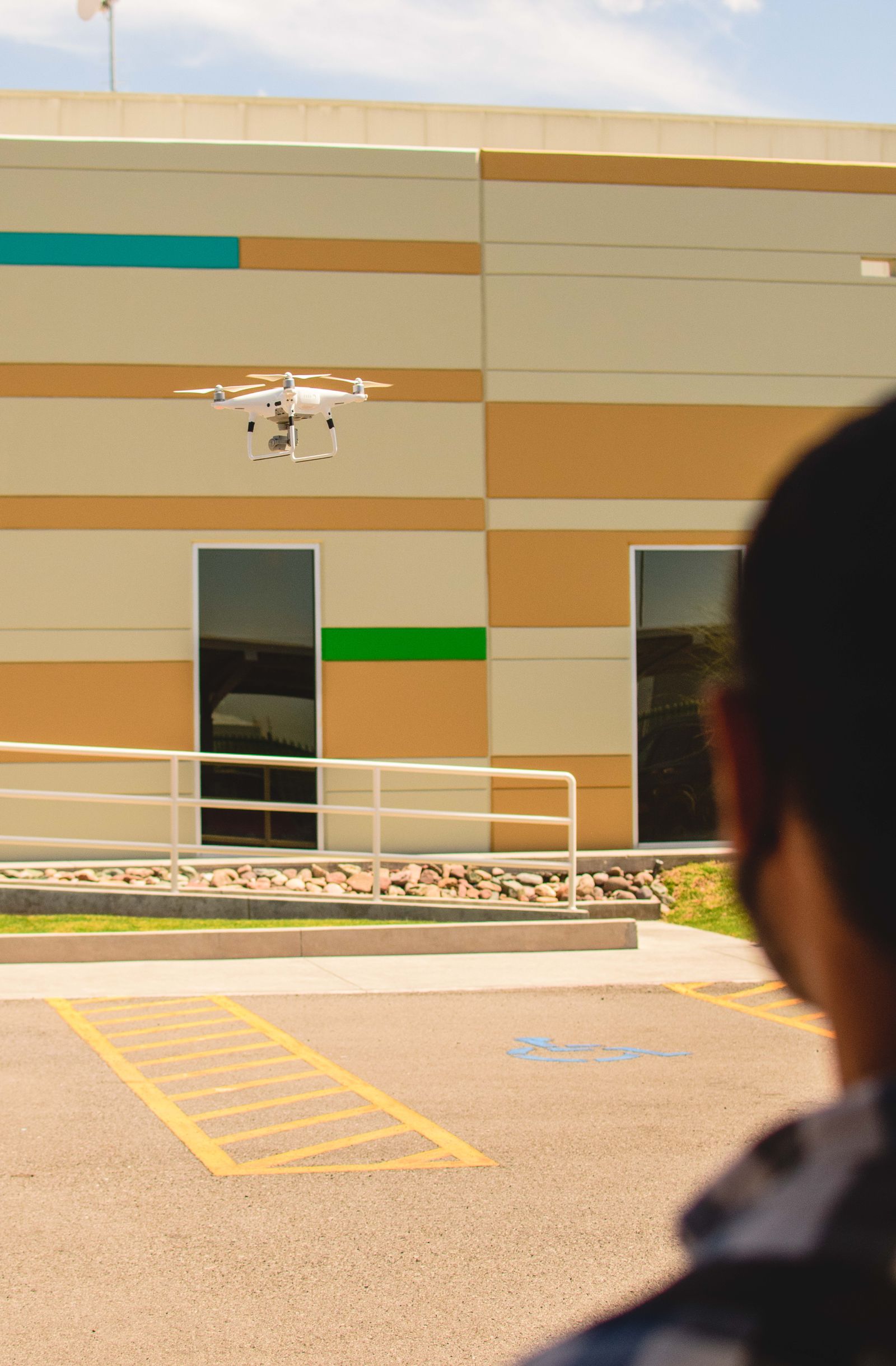
Drone-assisted application or rinsing may support broad upper elevations when stand-off distance, visual control, wind, launch and recovery space, water routing, and ground protection are workable. It is not a promise that every wall, window, ledge, balcony, canopy, or recessed feature can be handled from the air. Trees, wires, signs, roof units, neighboring structures, narrow sidewalks, and active roads can make one elevation feasible and another unsuitable. Detailed glass, bonded deposits, oxidation, and areas requiring brushing or squeegee work may still need a pole, lift, roof-access method, or hand detail.
Albuquerque International Sunport, helicopter activity, events, controlled sites, and temporary restrictions can affect a proposed flight. Commercial operators must follow applicable Federal Aviation Administration requirements and obtain any required authorization; property permission is not a replacement for aviation compliance. The plan should identify visual observers, communications, launch and recovery boundaries, pedestrian controls, emergency stop procedures, and wind or visibility conditions that trigger a pause. If aerial assistance is not suitable, the proposal should clearly state the alternate access method and its implications.
Control runoff near storm drains, landscaping, and entrances
Water from an upper wall can move to a curb inlet, parking-lot low point, landscaped bed, doorway, dock, or neighboring parcel faster than a facade-only estimate suggests. Before application, trace roof drains, downspouts, trench drains, slopes, air intakes, electrical equipment, cameras, vehicles, outdoor seating, irrigation, and accessible routes. A visible storm inlet is not automatic permission to send cleaning water into it. The appropriate controls depend on the product, removed soil, rinse volume, site requirements, slope, and where water can be managed.
Controls may include dry cleanup, diversion, temporary protection, reduced rinse volume, monitored collection, recovery, filtration, or coordination with the property and responsible authority. Landscaping needs protection based on the actual plantings and exposure, not a generic promise. The field lead should be able to stop for bypass, rising containment, unexpected residue, a blocked route, changing wind, or a person entering the controlled area. Closeout notes should identify completed elevations, remaining deposits, and drainage or repair observations.
- Trace water paths to inlets, low points, doors, planting beds, docks, and adjacent property.
- Confirm water access, hose routing, containment or recovery assumptions, and disposal responsibility.
- Protect patients, guests, tenants, accessible routes, air intakes, vehicles, and equipment.
- Define flow, weather, occupancy, and wind conditions that require an immediate pause.
Request an Albuquerque quote tied to the actual building
A useful commercial soft-washing proposal should identify service zones, facade materials, visible conditions, method, access approach, water assumptions, weather limits, operating controls, intended finish, exclusions, and closeout documentation. Broad wall washing should be distinguished from high-detail glass, mineral removal, oxidation treatment, canopy cleaning, construction residue, graffiti, coating work, masonry repair, and envelope investigation. If drone assistance is included, the scope should show which elevations it is expected to support and what happens if wind, airspace, or site control changes.
Send the Albuquerque address, wide and close photos, approximate height, priority elevations, known materials, desired result, preferred work window, water access, drainage observations, and restrictions involving guests, patients, tenants, deliveries, security, events, or aircraft activity. We can evaluate a one-time presentation reset, a phased scope, or recurring maintenance based on how the property operates. Call +1 239-351-2897, email contact@dronebuildingcleaners.com, or use the quote form to get in touch.