What the two methods are designed to do
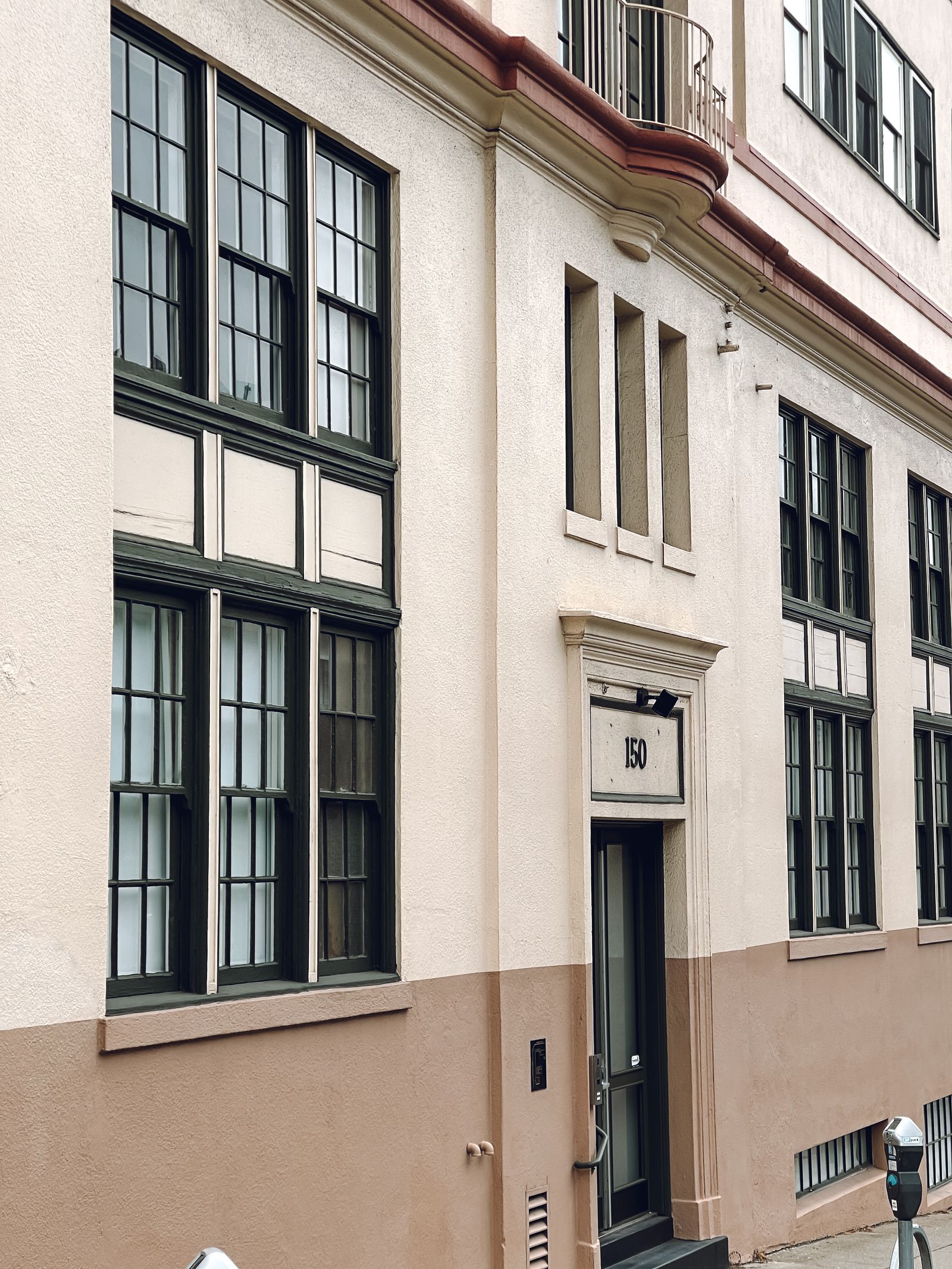
Soft washing uses a cleaning solution selected for the surface and soil, a controlled dwell period, and a lower-pressure rinse intended to carry loosened material away without relying on aggressive impact. It can be a practical approach for compatible stucco, painted surfaces, masonry, EIFS, canopies, and broad facade areas when the chemistry and protection plan are correct. It is not automatically gentle simply because the pressure is lower; overspray, dwell, runoff, plant exposure, and sensitive finishes still require active control.
Pressure washing uses water pressure and flow to remove soil. It can be useful on some sound concrete, selected masonry, service yards, loading areas, sidewalks, and durable hardscape, especially where embedded traffic film needs mechanical action. Excessive pressure or poor technique can drive water into joints, damage coatings, etch softer material, dislodge mortar, mark stucco, or spread residue. The equipment label alone does not determine whether a method is suitable for a commercial building.
Why Albuquerque stucco and adobe-style details deserve caution
Stucco is a finish system, not a single strength category. Texture, coating, repairs, cracks, sealants, control joints, trim, and age affect how it responds to water and impact. Adobe-style walls and historic details can be porous or especially vulnerable to saturation, erosion, or incompatible treatment. On those surfaces, a lower-pressure process with a test area may reduce the temptation to solve every stain with force. Cleaning cannot correct failed stucco, open cracks, loose render, or water intrusion, and those observations should be documented rather than hidden.
Concrete, brick, stone, metal, and glass may be durable in one area and vulnerable in another because of coatings, joints, edge details, repairs, or adjacent materials. The correct comparison is not soft wash versus pressure wash in the abstract; it is which combination of chemistry, pressure, dwell, rinse direction, access, and protection gives the intended improvement without creating a new problem.
Match the method to dust, organic growth, minerals, and traffic film
High-desert dust often needs controlled rinsing and good water management more than aggressive impact. Organic growth may respond to chemistry and dwell where a high-pressure pass would only remove the visible layer or roughen the finish. Pollen, bird residue, and shaded courtyard film can require a different approach from tire splash and oily loading-zone soil. Hard-water deposits, efflorescence, oxidation, and construction residue may not respond to an ordinary soft wash or pressure wash at all. Misidentifying the deposit leads to a poor expectation and unnecessary escalation.
A commercial inspection should note where the soil occurs, whether it returns after irrigation or rain, whether the wall is chalking, and whether nearby roofs, downspouts, trees, planters, roads, or open lots contribute. The best method may combine soft washing on upper stucco, controlled pressure on durable concrete, hand detailing at entries, and a separate specialty scope for glass or mineral deposits. A method statement that treats every surface the same is a warning sign.
Consider the building's use, corridor, and access constraints
A downtown storefront, Nob Hill restaurant, Uptown office, airport hotel, healthcare campus, or North Valley warehouse has different consequences for noise, water, pedestrian movement, and scheduling. Along Coors Boulevard and Paseo del Norte, vehicle flow and landscaped setbacks may shape staging. At Old Town or a historic district, fragile details and visitor traffic may matter more. At Mesa del Sol or an industrial corridor, loading operations, roof access, and broad walls may dominate. The cleaning method must fit the operating plan as well as the substrate.
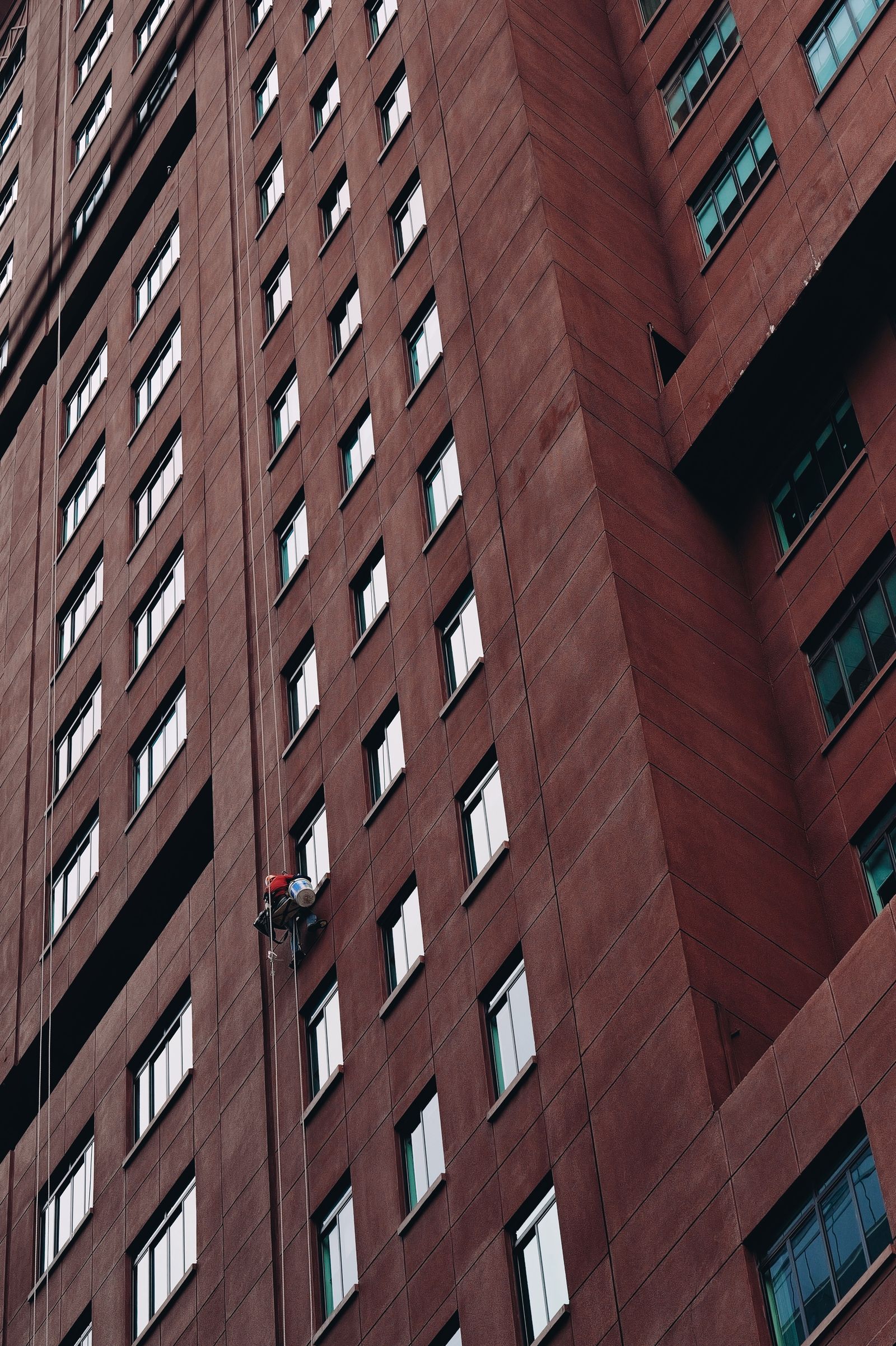
Drone assistance may support a broad upper wall where line of sight, wind, stand-off distance, launch space, and airspace allow it. It cannot replace detailed access planning for balconies, wires, recessed walls, roof units, narrow sidewalks, or close hand work. Commercial drone operations must follow applicable FAA requirements, and a property owner's permission does not replace aviation authorization. A quote should explain whether aerial assistance is proposed, what it covers, and which ground method is the fallback.
Compare runoff, landscaping, and weather risk before choosing
Pressure washing can create a larger moving water volume, while a chemically assisted soft wash can create a different concern around product exposure, dwell, and runoff. Both methods need a water-path review. Trace roof drains, curb inlets, low points, entrances, air intakes, irrigation, planted areas, vehicles, and neighboring parcels. Do not treat a storm drain as an unexamined disposal route. Controls may include diversion, protection, reduced flow, monitored recovery, filtration, or site coordination based on the material removed and local requirements.
Albuquerque sun can dry a hot wall unevenly, and monsoon weather can change wind, lightning, precipitation, and runoff conditions quickly. A good plan includes a weather threshold, public-route controls, a stop-work decision, and a clean handback inspection. If a wall is still wet, a storm is approaching, or wind is carrying spray beyond the controlled area, completing the square footage is less important than protecting the property and people around it.
How to request a method-specific commercial recommendation
Ask the provider to identify each facade material, visible deposit, proposed chemistry or pressure approach, test-area expectations, access method, weather limits, protection plan, runoff assumptions, exclusions, and closeout standard. Request separate pricing or scope notes for concrete flatwork, glass, mineral deposits, oxidation, construction residue, graffiti, repairs, and envelope concerns. If the provider cannot explain why a method fits the actual wall, the recommendation is not ready for approval.
Send photos from several elevations, the Albuquerque address, approximate height, known facade history, operating restrictions, water access, drainage observations, and the result that matters to guests, patients, tenants, or customers. For a property-specific comparison, call +1 239-351-2897, email contact@dronebuildingcleaners.com, or use the quote form to get in touch. The final recommendation should make clear what the cleaning is intended to improve and what falls outside a washing scope.